5 Ways to Mix and Match Styles with Furniture Near Farmington, MI
April 1, 2026

Creating a home that feels both curated and comfortable often requires looking beyond a single design era. Many homeowners struggle with the fear that combining different aesthetics will result in a chaotic or disjointed space, leading them to stick with safe but boring matching sets. This hesitation prevents rooms from developing the depth and character that come from a well-executed eclectic style.
Fortunately, blending contrasting elements is easier than it appears when you understand the fundamental principles of balance and cohesion. By following specific guidelines, you can create an interior that feels intentional and sophisticated rather than cluttered. The following guide explores practical methods for achieving this look, ensuring your space reflects your unique personality while maintaining visual harmony.
These are 5 ways to mix and match styles with furniture:
1. Understanding the Balance of Modern and Traditional
The foundation of any successful mixed-style room lies in understanding the relationship between old and new. When you decide to incorporate furniture that spans different decades, the goal is to create a dialogue between the pieces rather than letting them compete for attention. A common approach is to establish a dominant style that accounts for about seventy percent of the room, while the remaining thirty percent introduces the contrasting element. For instance, if your living room features a traditional sofa with rolled arms and detailed woodwork, you might introduce modern side tables with clean lines and glass tops. This ratio ensures that one style anchors the space while the other provides visual interest and prevents the room from feeling like a time capsule.
Furthermore, scale and proportion play critical roles when merging these distinct looks. Traditional pieces often feature heavier silhouettes and ornate details, whereas modern designs tend to be sleeker and more minimal.
2. Using Color and Texture to Unite Different Eras
Color serves as one of the most effective tools for tying together disparate design styles. When selecting a palette, choose a unifying color scheme that applies to both your traditional and modern selections. Neutral tones such as beige, gray, or cream often work best as a backdrop because they allow the shapes and materials of the furnishings to take center stage. You might pair a vintage wooden dining table with modern upholstered chairs, all linked by a consistent fabric color or a shared accent hue found in the room's artwork. This chromatic consistency creates a sense of order, making the mixture of styles feel deliberate and cohesive rather than accidental.
Texture also plays a vital role in bridging the gap between eras. Traditional design frequently incorporates rich woods, velvet, and intricate patterns, while modern aesthetics often utilize metal, leather, and smooth surfaces. Blending these textures adds depth and tactile interest to the room.
3. Selecting a Focal Point with Options from a Store
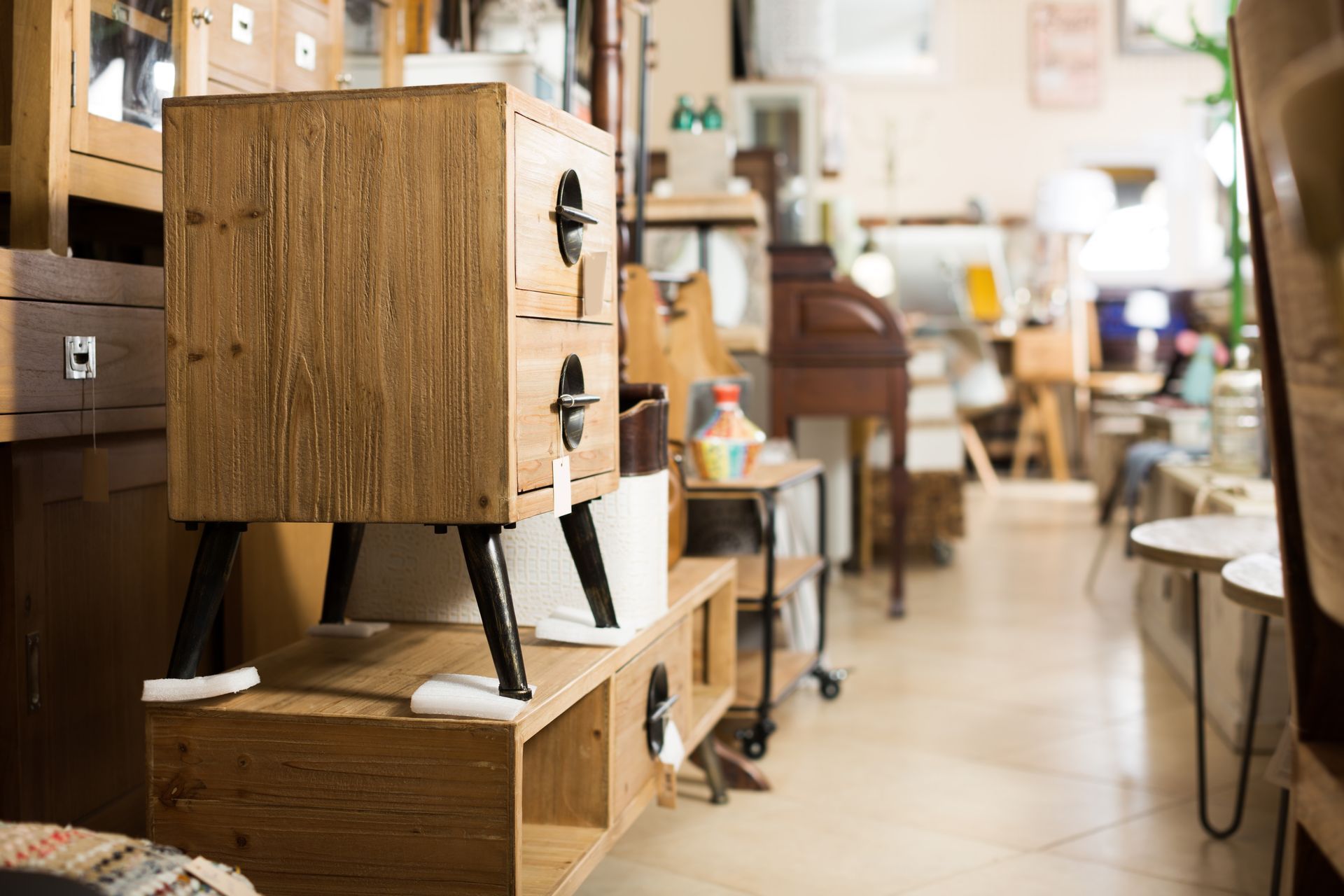
Every room needs a focal point, and in a mixed-style setting, this anchor piece often dictates the overall mood. When visiting a furniture store, look for a statement item that you love, regardless of its era, and build the rest of the room around it. If you choose a mid-century modern credenza as your centerpiece, you can surround it with traditional framed art and classic drapery to create an intriguing juxtaposition. The key is to let the focal point stand out while supporting it with complementary pieces that do not fight for dominance. This strategy simplifies the decorating process because it gives you a clear starting point from which to expand your design choices.
Once the focal point is established, you can introduce secondary elements that echo specific features of the main piece. For example, if your statement sofa has brass legs, you might incorporate brass hardware on a traditional cabinet across the room. These subtle repetitions create a visual thread that connects the different styles.
4. Incorporating Transitional Pieces for Seamless Flow
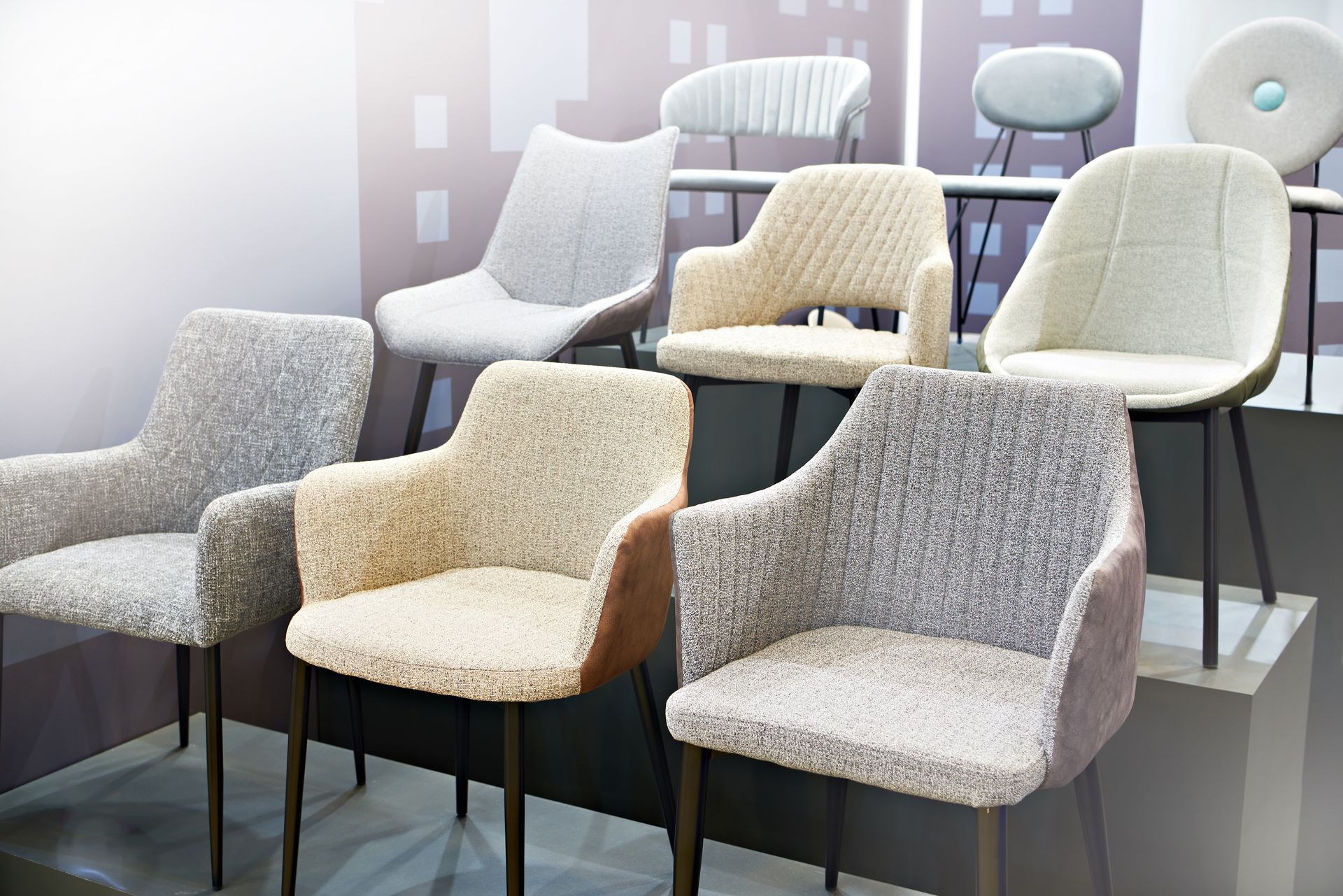
Transitional furnishings act as the perfect mediator between strictly traditional and strictly modern designs. These pieces often feature the clean lines of contemporary style but include the warmth and detailing of classic design. Integrating transitional items can smooth out the transition between eras, making the overall look feel more fluid. A dining chair with a simple silhouette but upholstered in a traditional fabric is an excellent example of this bridge. Using such items helps to prevent the room from feeling too stark or too heavy, providing a comfortable middle ground that appeals to a wide range of tastes.
Additionally, accessories and lighting offer easy opportunities to introduce transitional elements without committing to large purchases. A lamp with a modern base and a traditional shade can sit comfortably on an antique desk. Rugs with geometric patterns in classic colors can also serve this purpose effectively. These smaller touches allow you to experiment with the mix-and-match concept before investing in larger pieces of furniture. As you become more confident in your ability to blend styles, you can gradually introduce more bold combinations, knowing that the transitional elements provide a safety net that maintains harmony.
5. Achieving Cohesion with Quality Pieces
The final step in mastering eclectic design is ensuring that every piece contributes to a unified whole. While variety is the spice of life, a room still needs a sense of continuity to feel complete. This is where the quality and craftsmanship of your selections matter most. Whether you are choosing a sleek sectional or a carved wooden armoire, high-quality construction ensures that the pieces stand the test of time and maintain their aesthetic appeal. Sourcing furniture from reputable providers guarantees that you are bringing home items that are built to last and designed to complement one another.
Consistency in finish tones can also help tie diverse styles together. If your modern pieces have cool chrome accents, try to find traditional items with similar metallic undertones or paint finishes that complement the chrome. This does not mean everything must match perfectly, but rather that there should be a visual conversation happening between the items.
Visit Chris Furniture for Expert Design Guidance!
Mixing and matching furniture styles serving Farmington, MI, is an art form that allows homeowners to express their individuality while creating functional and beautiful spaces. By balancing proportions, unifying colors and textures, establishing strong focal points, and utilizing transitional pieces, anyone can master the look of eclectic elegance.
If you are ready to transform your home with a curated collection of high-quality pieces, consider visiting Chris Furniture. Our team offers personalized guidance to help you find the perfect items to blend modern and traditional designs seamlessly. Call us today at
734-427-3080 to schedule an appointment and discover how we can help you furnish the home you love.